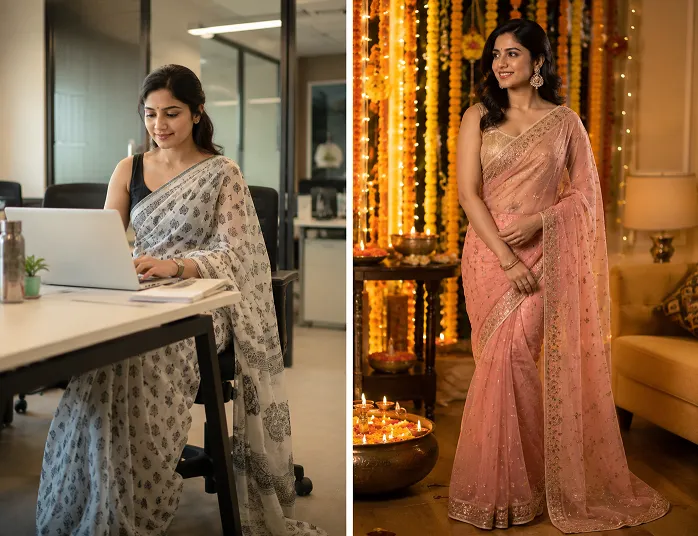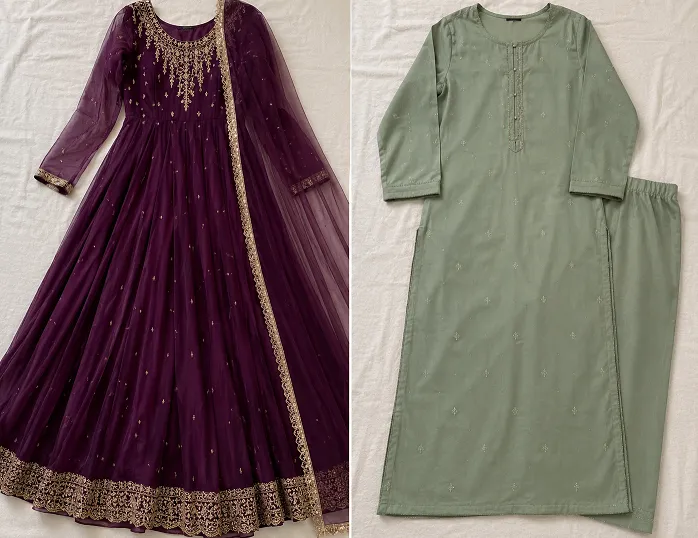
You saw the outfit at a wedding last month and you still don’t know what it’s called. So you end up typing something like “girls dress name” into Google, hoping an actual list shows up instead of five random results and a shopping ad.
This list fixes that. It works as a proper all dress name with picture reference, one real photo per style, not a wall of text with a single image at the top. Fourteen names, in plain language, with one genuinely useful detail for each that most lists skip entirely.
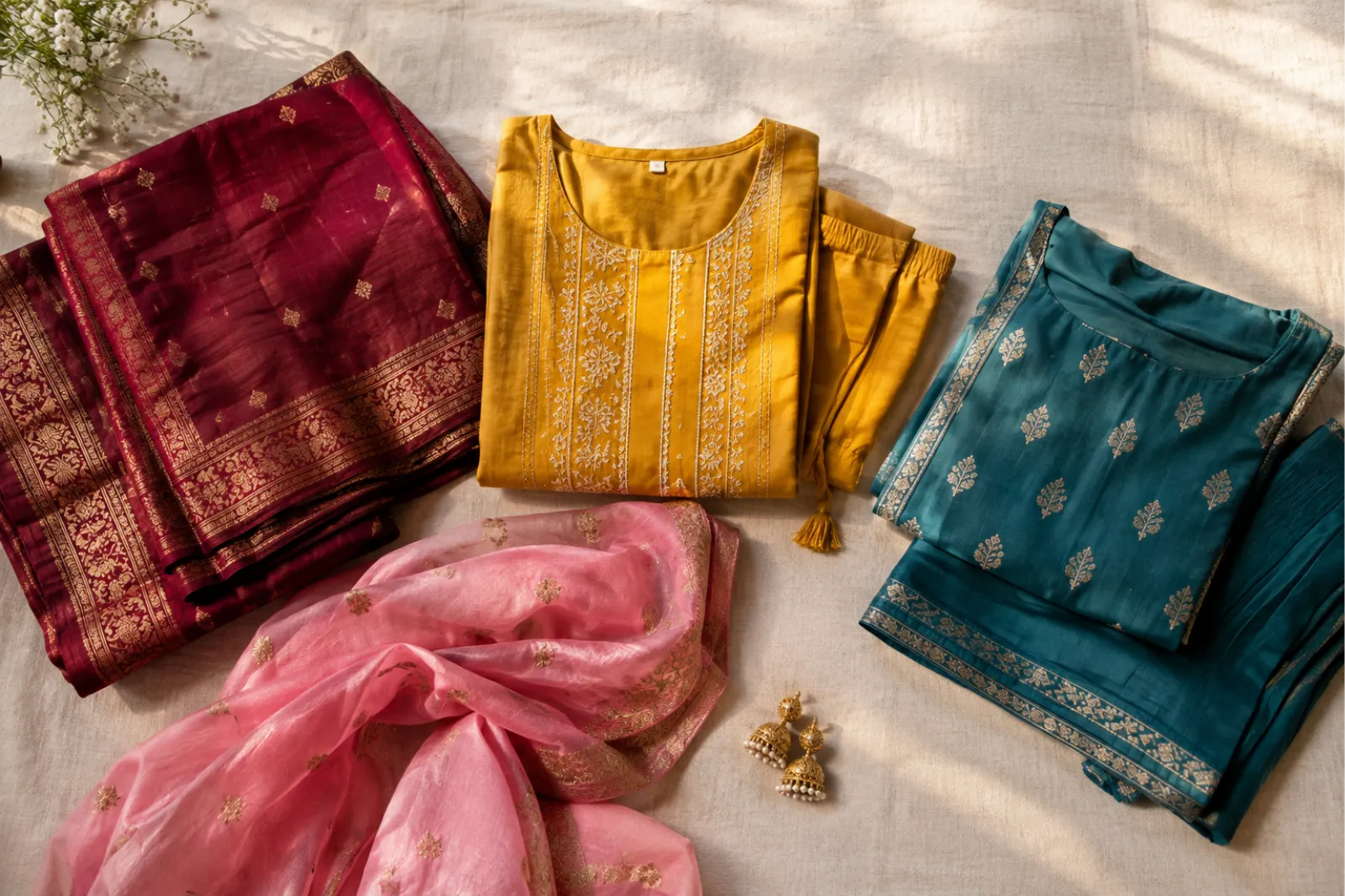
Table of Contents
1. Saree
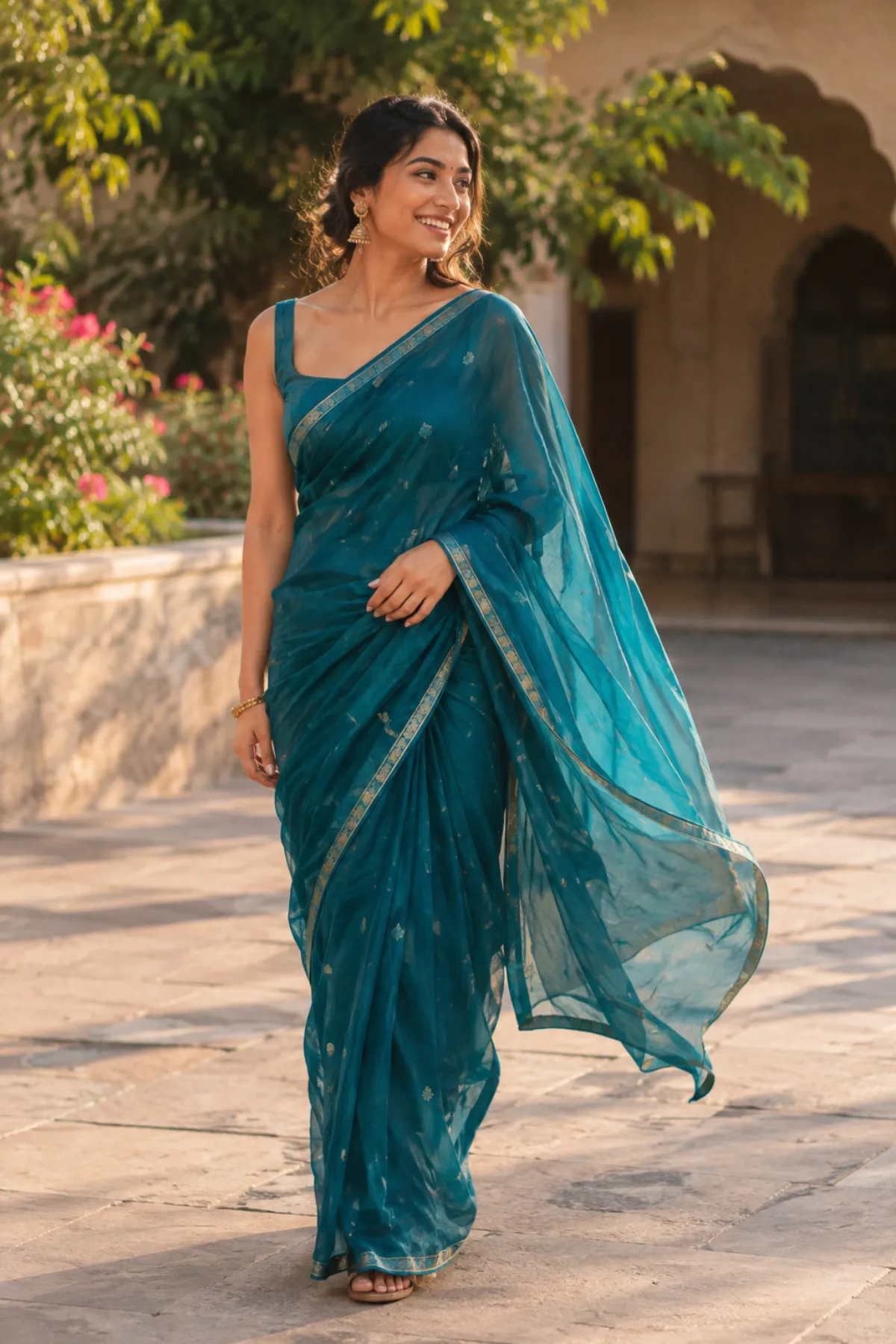
The saree is the most recognised item on any girls clothes name list, and for good reason. It is one length of fabric, six to nine yards depending on the style, draped without stitching into pleats, a pallu and a fall.
Georgette holds a pleat better than chiffon, which is why georgette sarees stay neat through a full evening while chiffon ones need small adjustments as the night goes on.
If you want the fuller picture of regional styles, our guide on types of sarees in India covers Banarasi, Kanjeevaram and a dozen others properly.
Body shape changes how a saree should be draped more than most people realise. Our saree for body type guide and Ethora’s free body type calculator both help with that decision specifically.
There are more than 80 documented ways to drape a sari across the country, and if you only know the one your mother taught you, that alone is worth exploring further.
2. Lehenga Choli
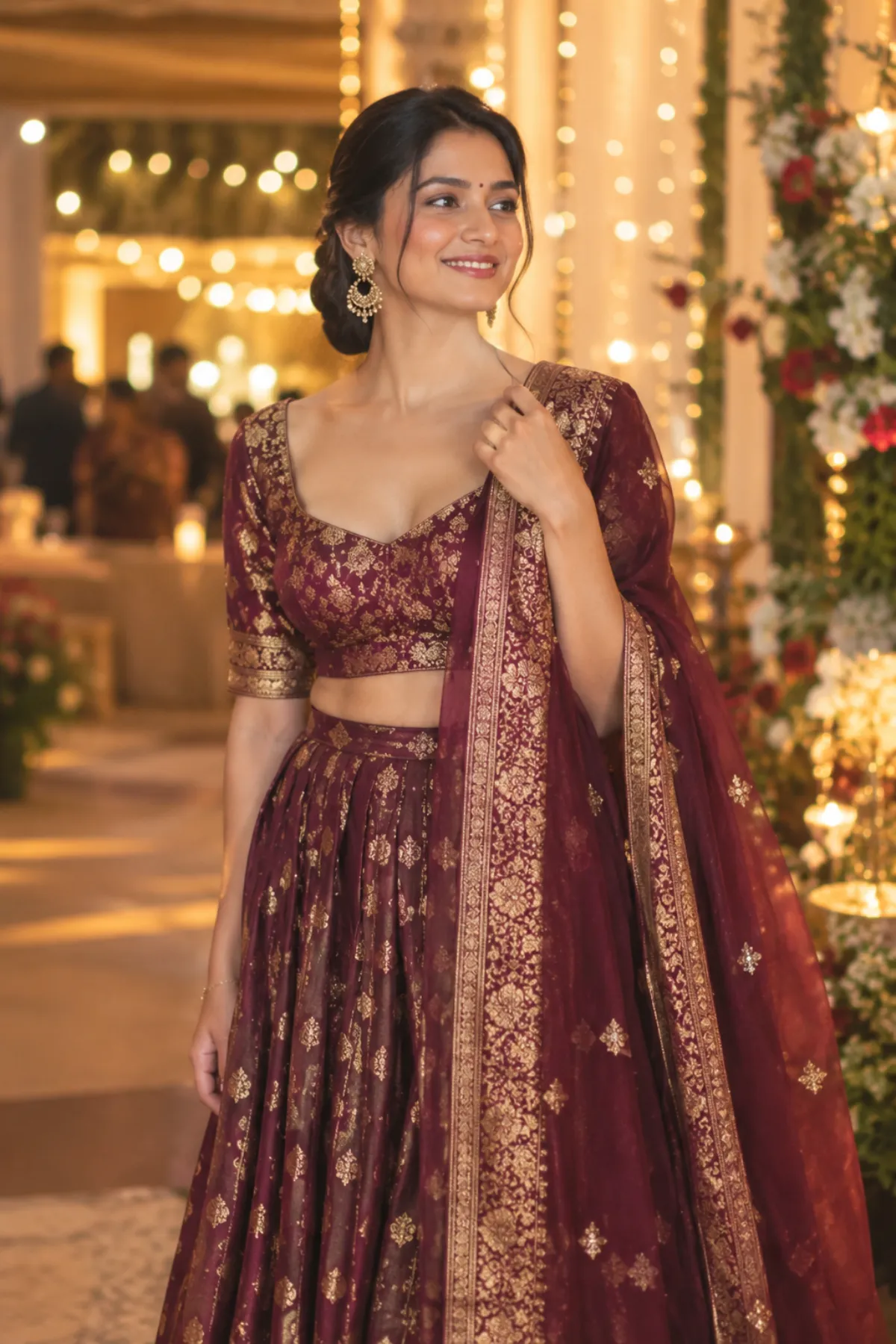
A lehenga choli pairs a fitted, often embroidered blouse with a flared skirt and a separate dupatta. It is the outfit most Indian women reach for at weddings, sangeets and big festive nights.
Banarasi silk lehengas are heavier than they look on a hanger. Wear one through a full day event and the pallu’s weight on your shoulder genuinely starts to show by evening, which is worth planning for before the big day, not during it.
People also confuse a lehenga with a chaniya choli fairly often, and our comparison of lehenga versus chaniya choli explains the real differences. Length matters just as much, and our lehenga length for your height guide breaks that down with actual measurements.
3. Salwar Kameez (Punjabi Suit)
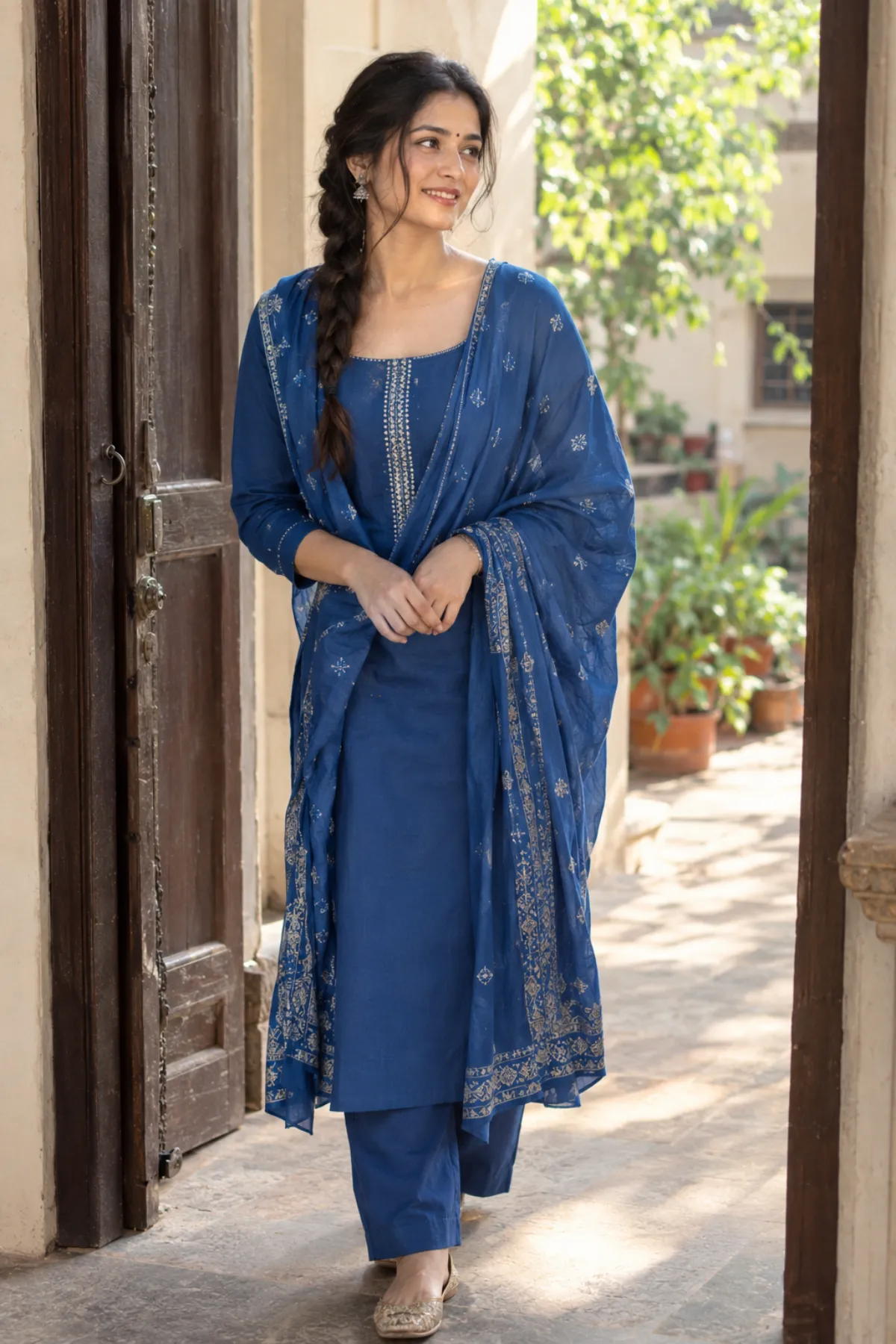
Salwar kameez is a kameez, or long top, paired with a loose fitting salwar and a dupatta. Most people also call this a Punjabi suit, and both names refer to essentially the same garment.
Our explainer on what a Punjabi suit is actually called clears up the naming confusion properly. For work specifically, our office wear salwar kameez guide covers fabrics that survive a full day at a desk without creasing by eleven.
4. Anarkali Suit
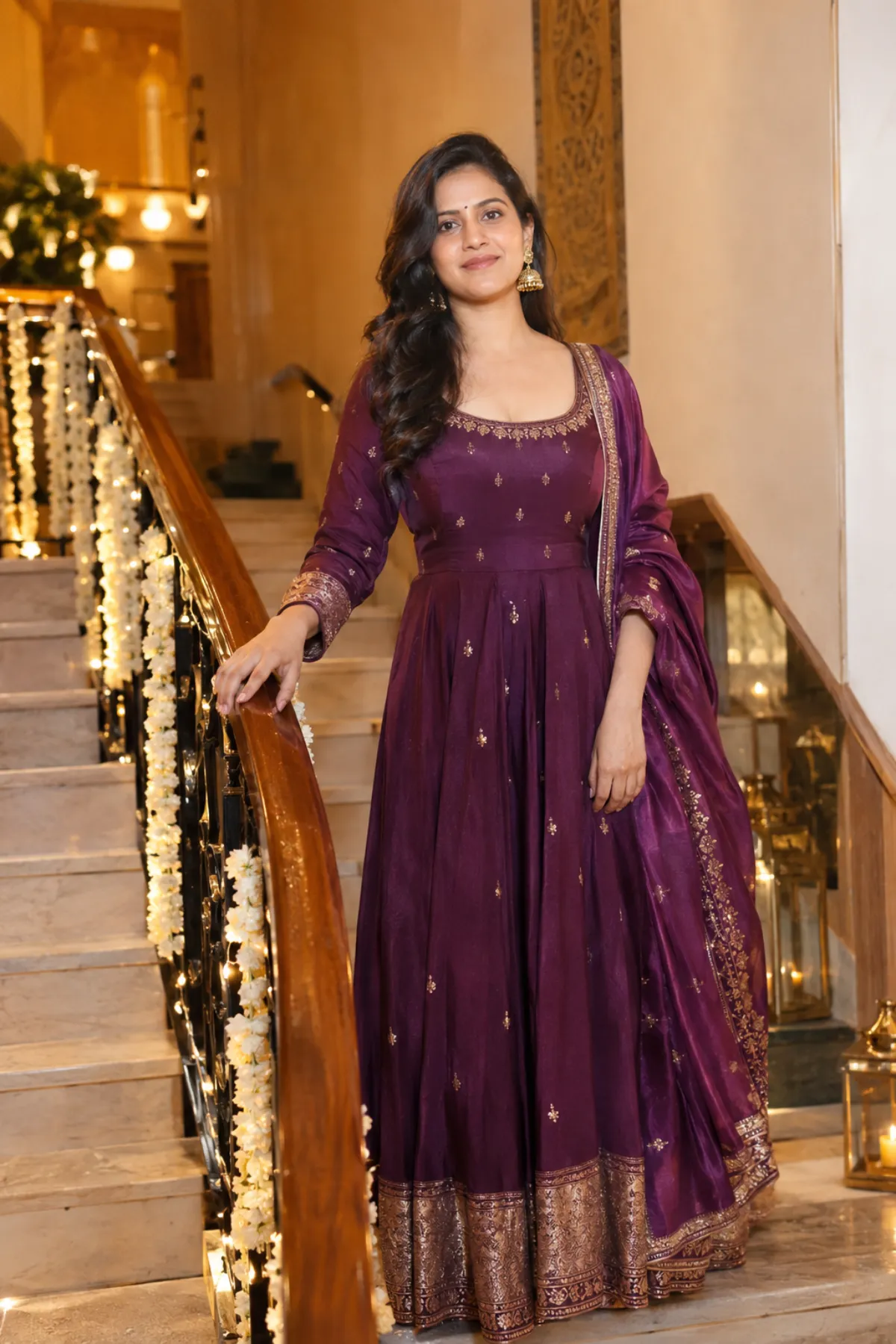
An Anarkali flares dramatically from the bust down, closer to a fitted gown than a straight suit. It reads more formal the moment you put it on, and it genuinely suits taller frames well.
A heavier fabric like silk or brocade holds the flare’s shape through a long event, while a lighter georgette version moves more freely but needs an inner lining in humid weather. Our comparison of Anarkali versus straight salwar kameez walks through which one actually suits your body and your event.
5. Kurti
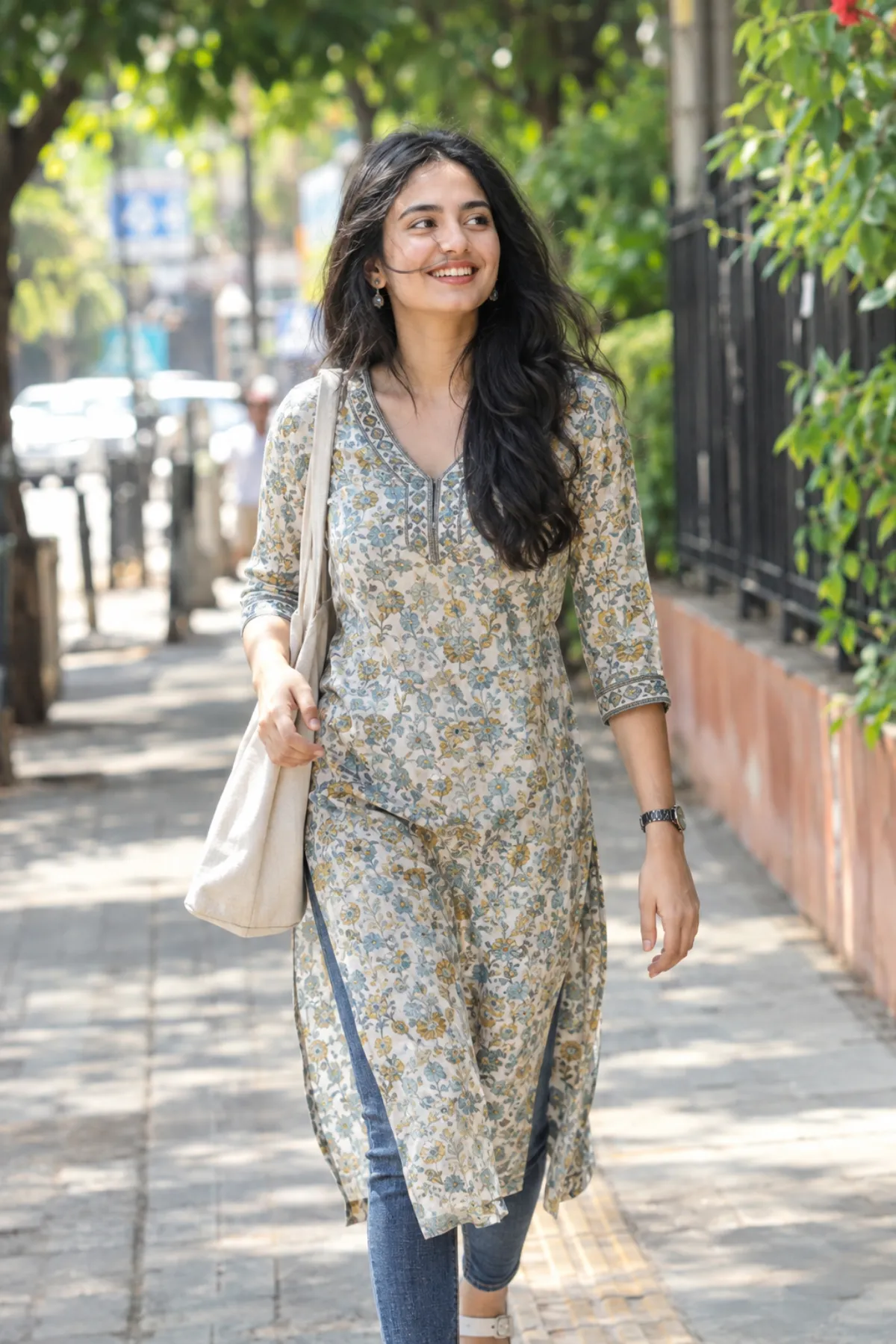
Kurti is probably the most searched name on this entire list after saree, mostly because it is the easiest garment to wear well without overthinking it. It is shorter than a full kurta, falls anywhere from hip to knee length, and comes in round, V, boat and collar necklines.
Most women judge kurti length by how it looks on a hanger. That is the wrong test. A length that looks perfectly proportioned hanging up can land at the worst possible point on your thigh once you actually stand and walk.
Our guide on how loose a kurti should actually be fixes this exact mistake with a simple fit test. And if jeans are your default pairing, how to wear a kurti with jeans covers combinations that actually work.
6. Kurta Set
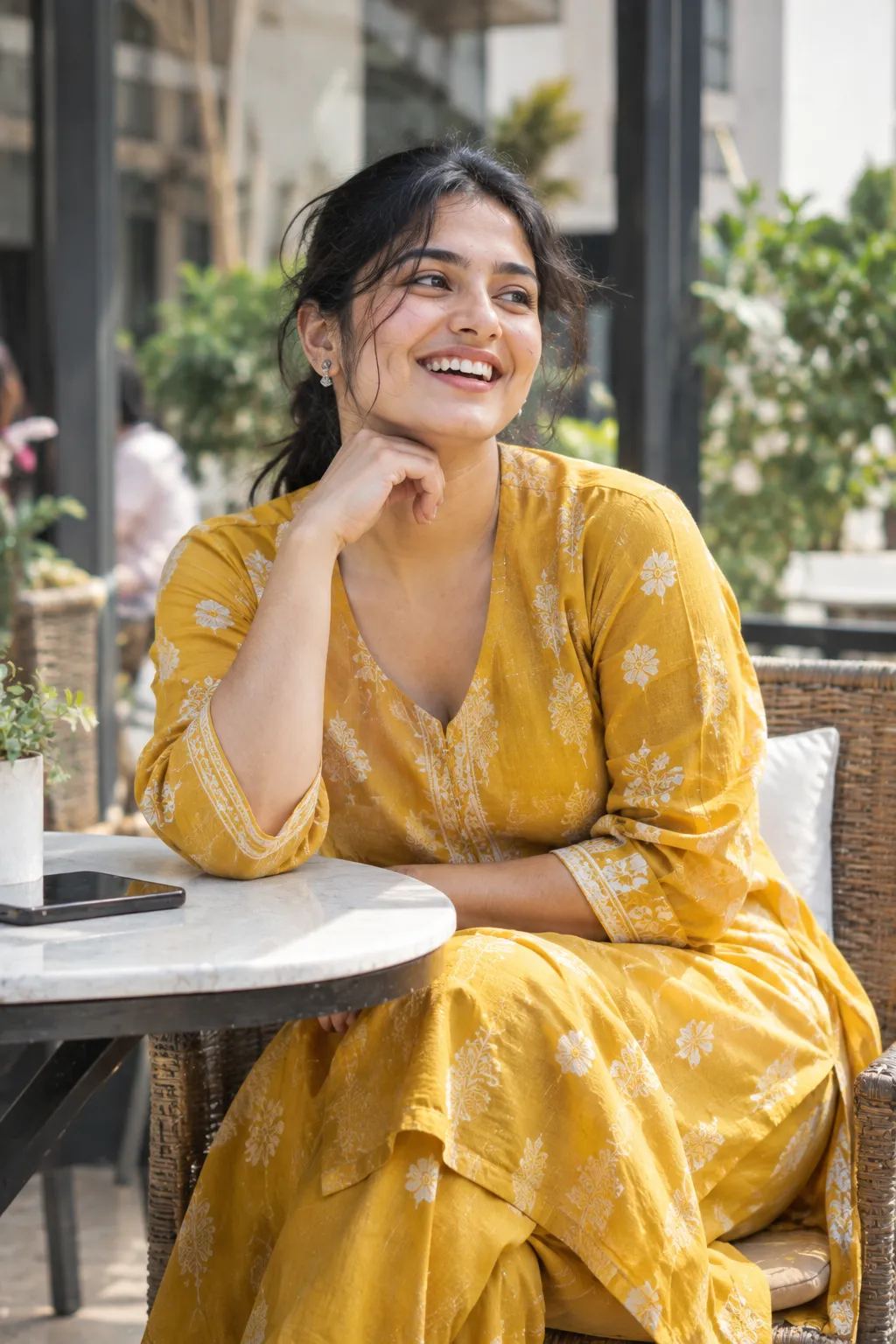
A kurta set pairs a kurta with a matching bottom, usually palazzo, straight pants or a churidar, sold as one coordinated piece. It has become the most worn traditional outfit in the country right now, largely because it barely needs styling to look finished.
For office wear, our roundup of kurta styles for working women covers cuts that survive back to back meetings. And if colour pairing is where you always get stuck, Ethora’s free kurti colour matching tool suggests dupatta and bottom combinations automatically.
7. Palazzo Suit
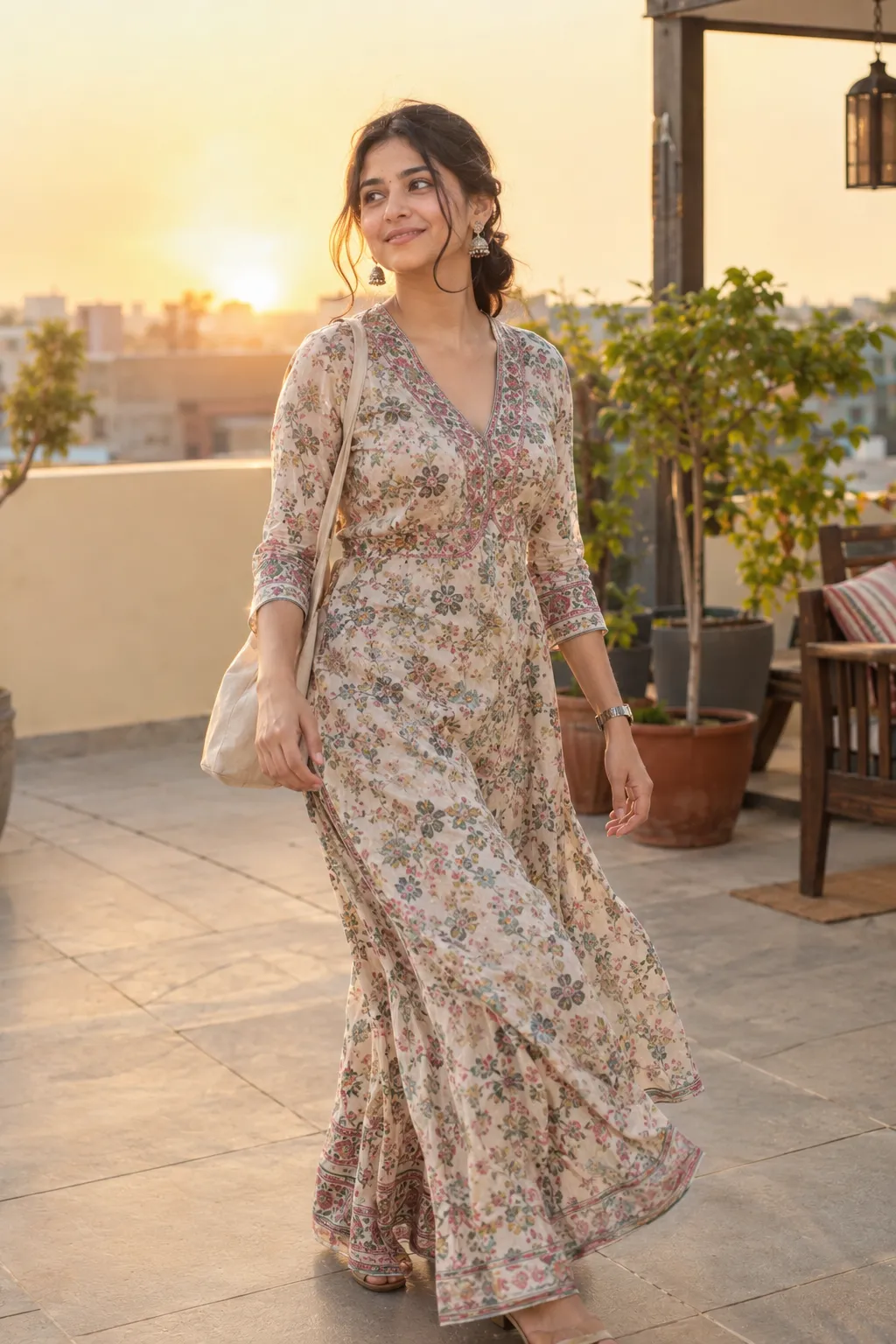
A palazzo suit swaps the fitted salwar for wide, flowing palazzo pants that flare from the hip down. It photographs beautifully in motion and genuinely breathes better than a fitted salwar in humid weather, since air moves through the loose fabric instead of sitting against the skin.
People often assume a palazzo suit and a salwar kameez are the same thing with a different name. They are not quite, and our comparison of palazzo suit versus salwar kameez explains where the actual differences show up in fit and occasion.
8. Sharara Suit
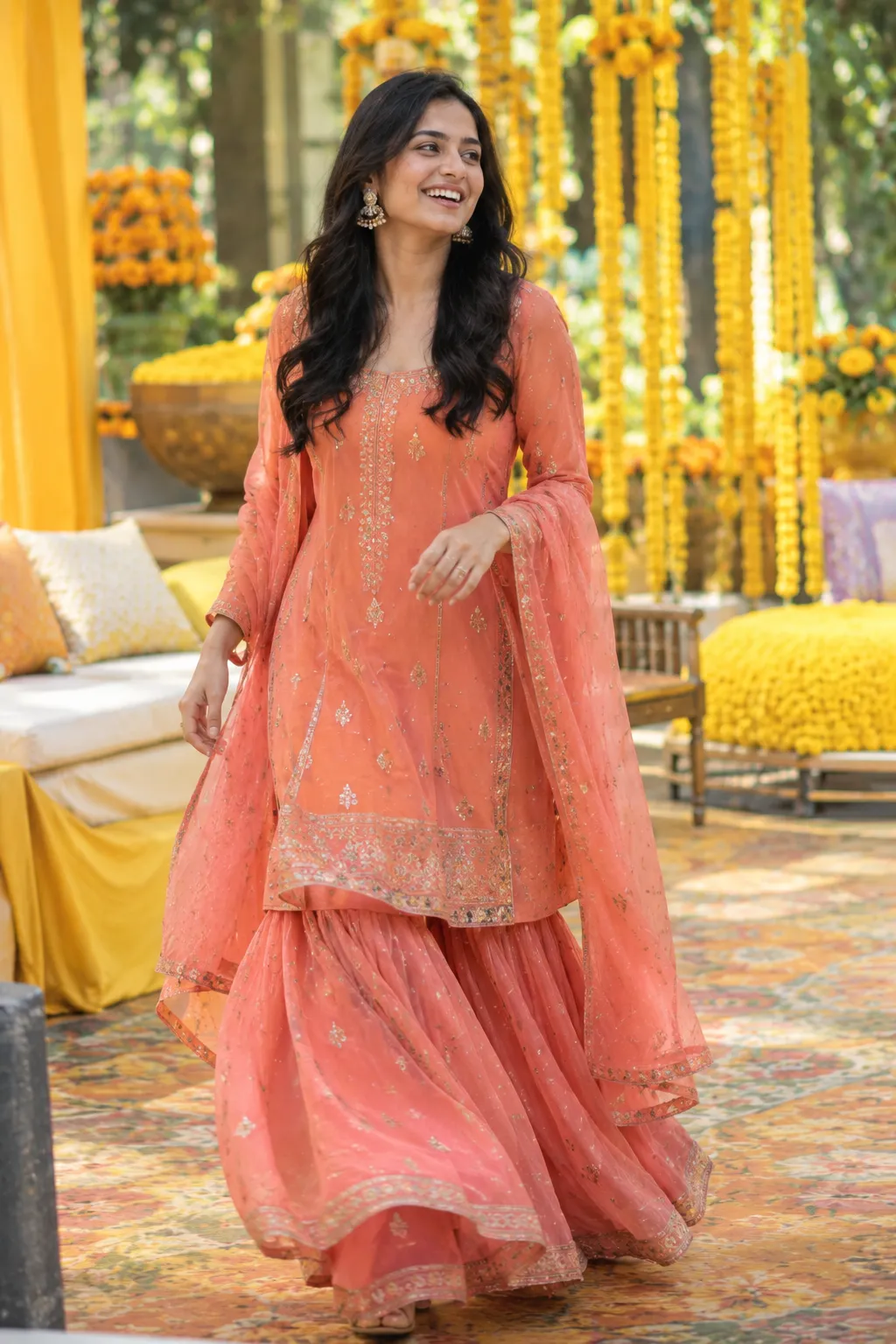
A sharara suit replaces the straight salwar with wide, heavily flared trousers that move dramatically with every step, which is exactly why it works so well for mehndi functions and sangeet nights where you will be on your feet for hours.
Lighter fabrics like georgette or crepe suit a sharara better than heavier silk, purely because the trousers already carry so much volume on their own. If you are attending as a guest, our mehndi outfit ideas for guests guide covers where a sharara fits compared to a lehenga or a simple suit.
9. Gharara
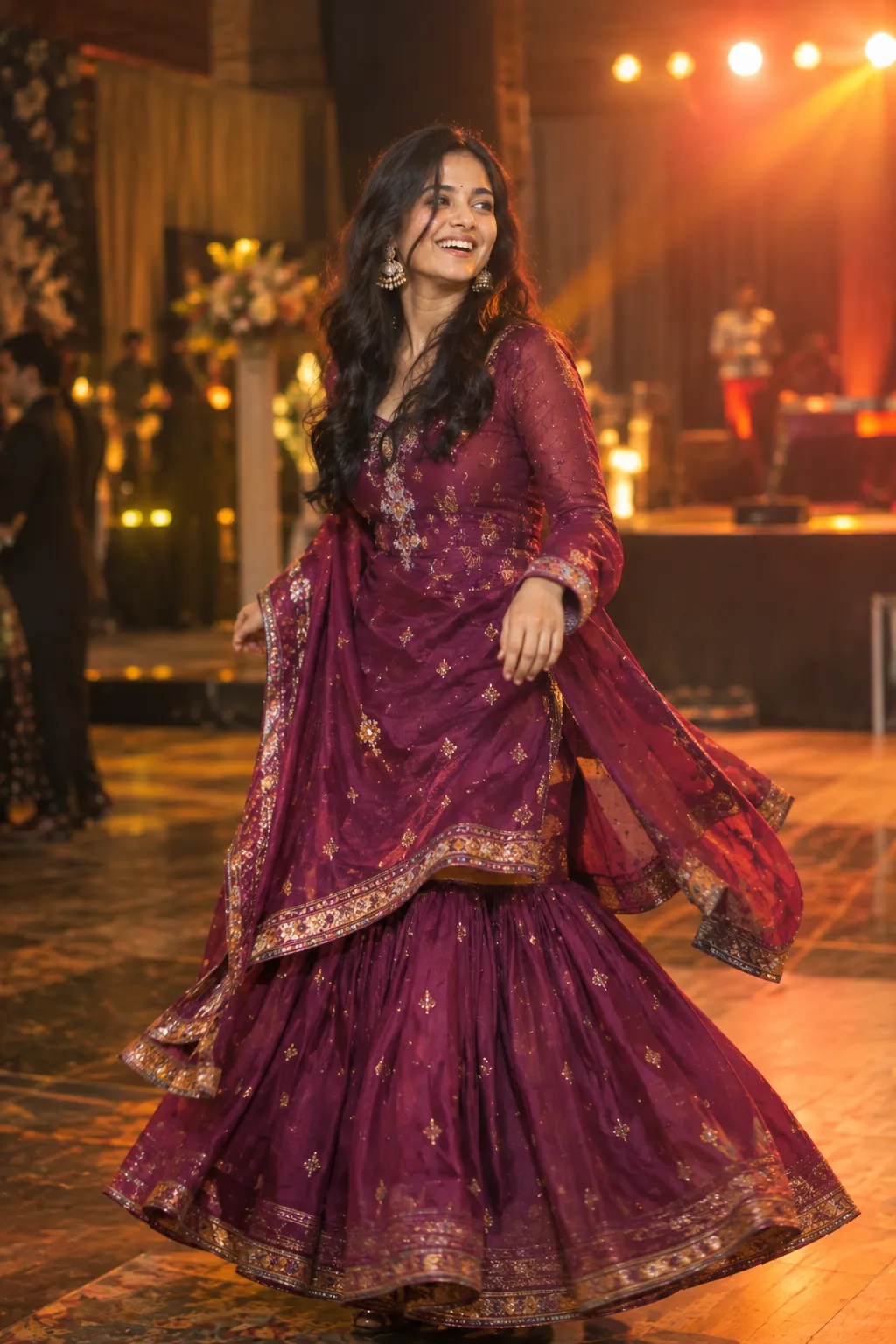
A gharara looks similar to a sharara from a distance, but it is cut and stitched at the knee, so the flare only begins from the middle of the leg down instead of from the waist. It is an older, more Nawabi silhouette that has been quietly making a comeback at weddings.
It suits sangeet nights particularly well, where you want real movement without the fully casual feel of a sharara. Our sangeet outfit ideas for dancing guide covers a few gharara pairings worth considering.
10. Patiala Suit
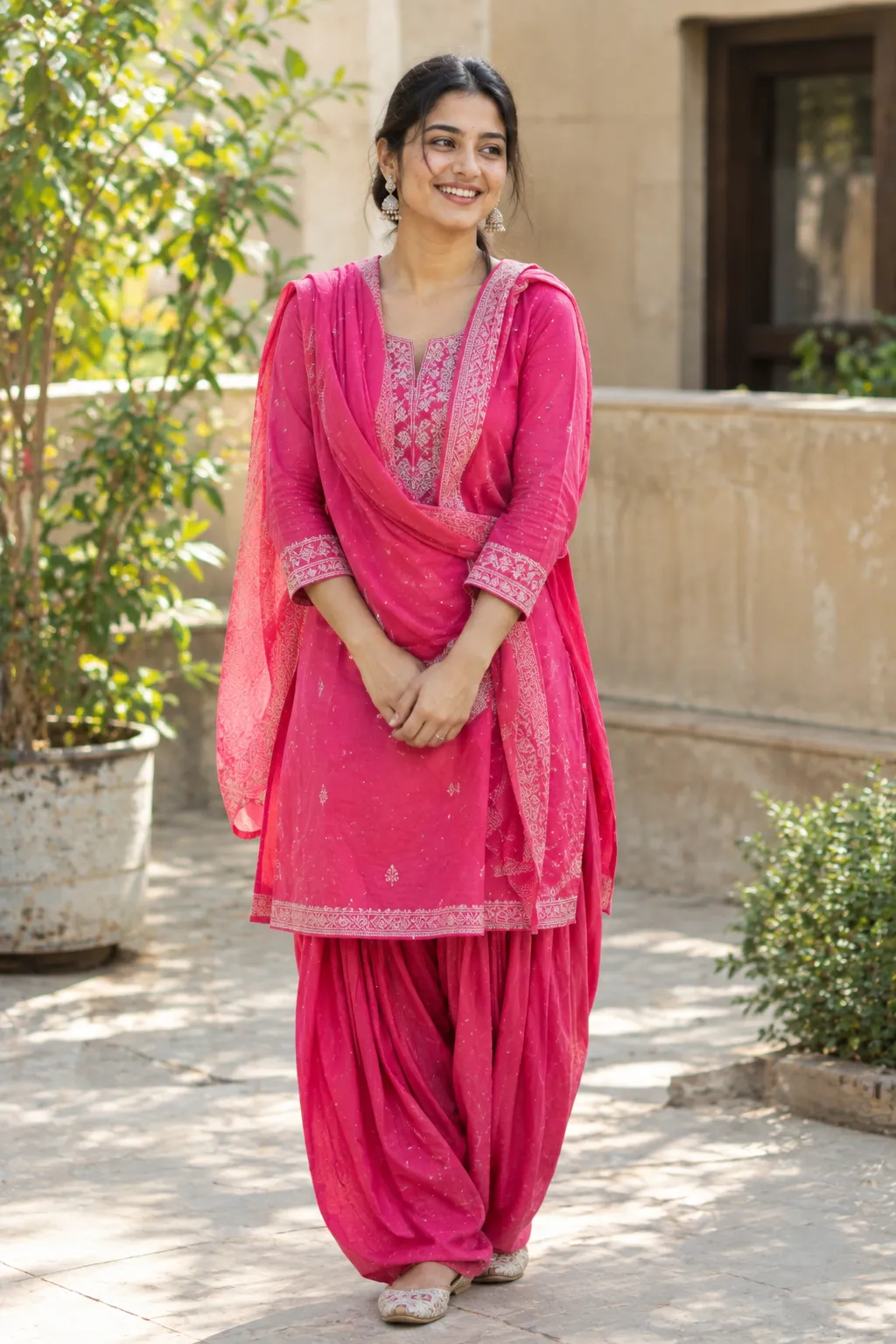
A Patiala suit is named after the city of Patiala in Punjab and is recognised instantly by its salwar, which is cut with extra fabric pleated and gathered at the waist so it falls in soft folds rather than sitting flat.
The extra fabric means a Patiala suit needs a slightly different dupatta styling than a regular salwar kameez, since the volume at the bottom needs balancing up top. Our Patiala suit styling guide covers exactly that balance.
11. Indian Gown
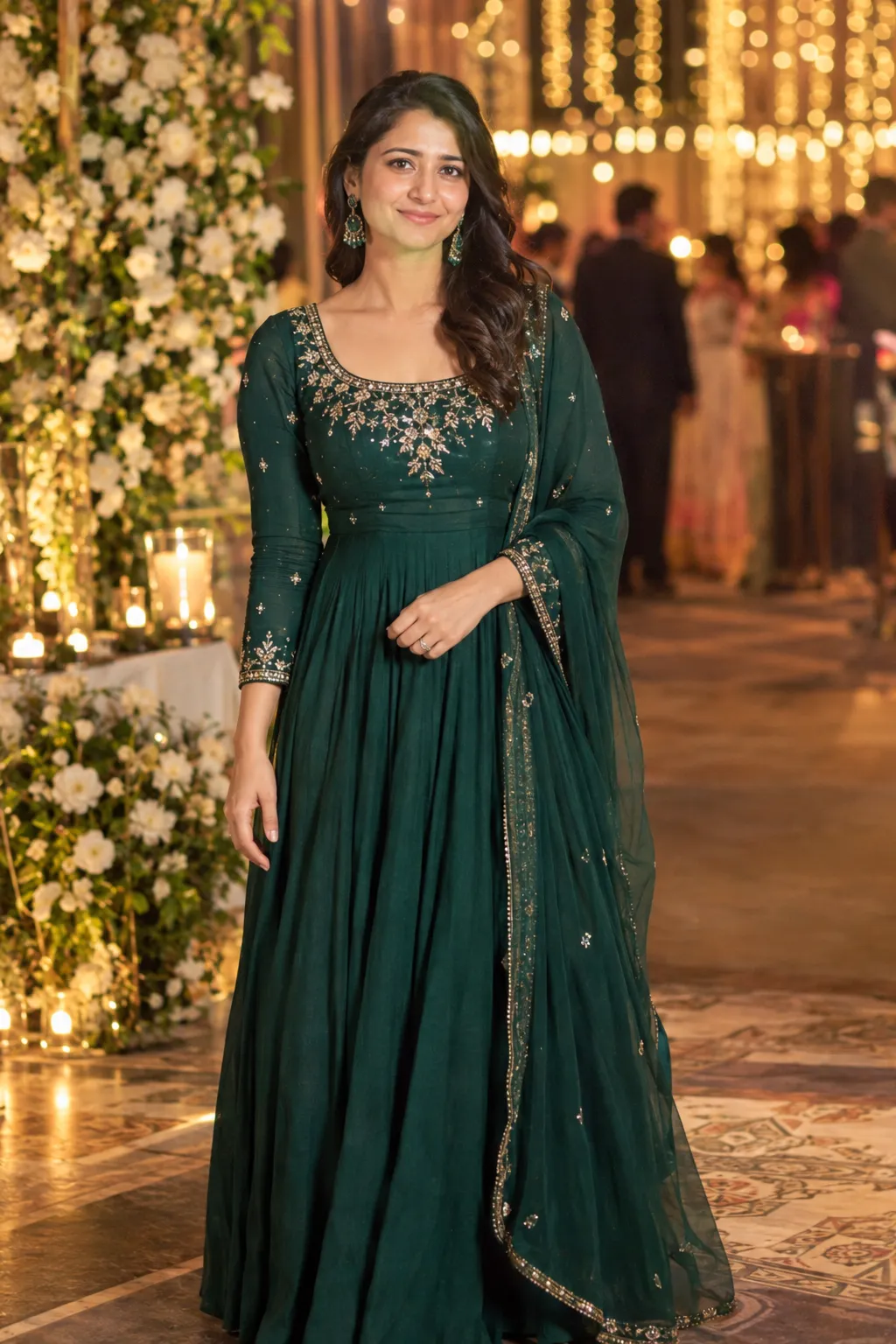
An Indian gown blends a Western silhouette with Indian fabric and embellishment, usually a fitted bodice that opens into a flowing floor length skirt, made in georgette, velvet or crepe with heavy embroidery around the neckline.
It works well for wedding receptions and cocktail functions specifically, where a full lehenga can feel like too much and a plain Western gown can feel out of place. Our wedding reception guest outfit ideas guide covers where a gown fits on that scale.
12. Ethnic Co-ord Set
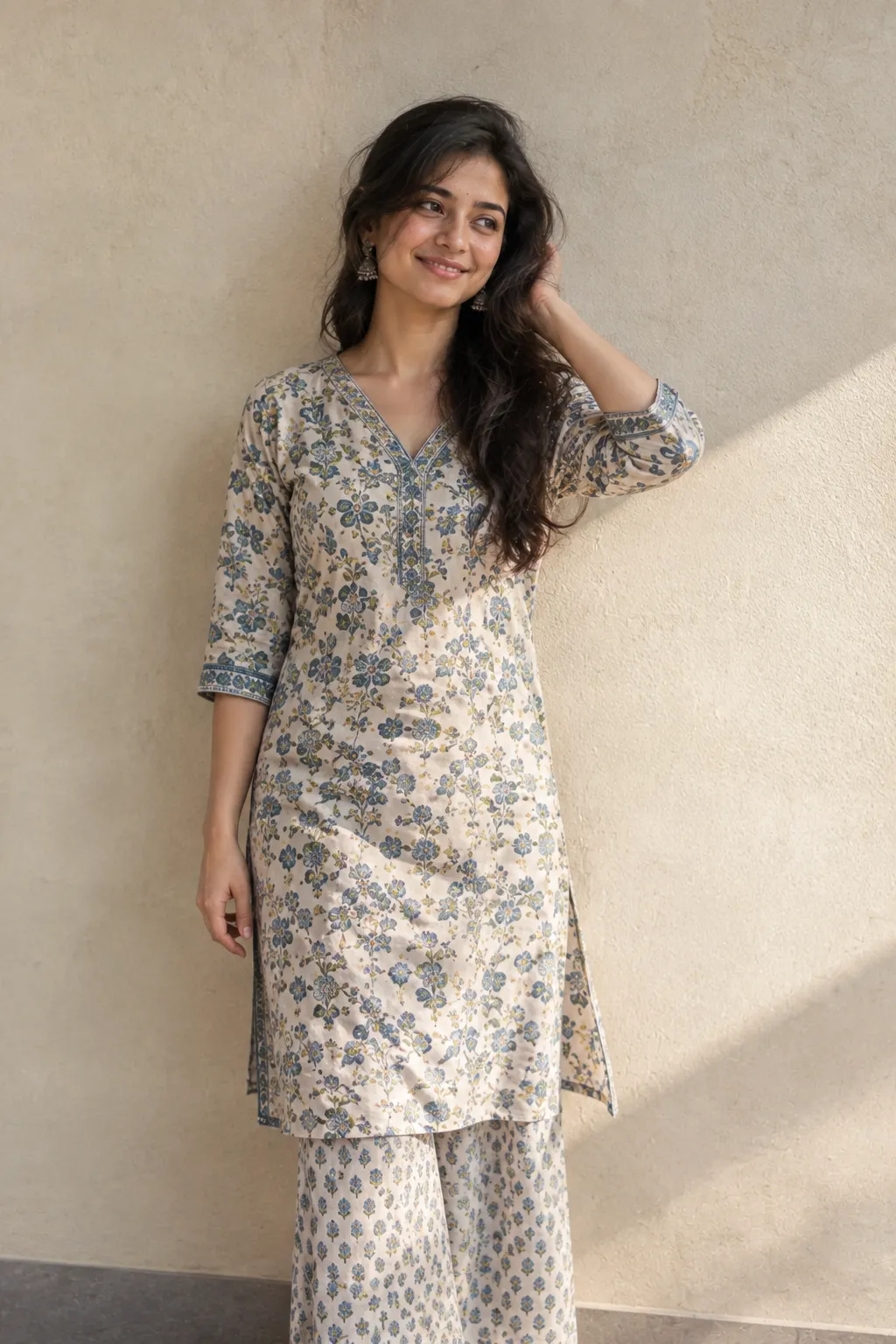
An ethnic co-ord set pairs a printed or embroidered top with a matching bottom, straight pants, palazzo or a dhoti style, sold and worn as one deliberate outfit rather than mixed and matched.
If you are searching for a new traditional dress for girls that still photographs well for reels and casual festive days, this is probably it.
Getting the colour pairing right matters more here than on a single-fabric outfit, and our guide on colour combinations for ethnic wear that actually work is worth reading before you buy one.
13. Indian Maxi Dress
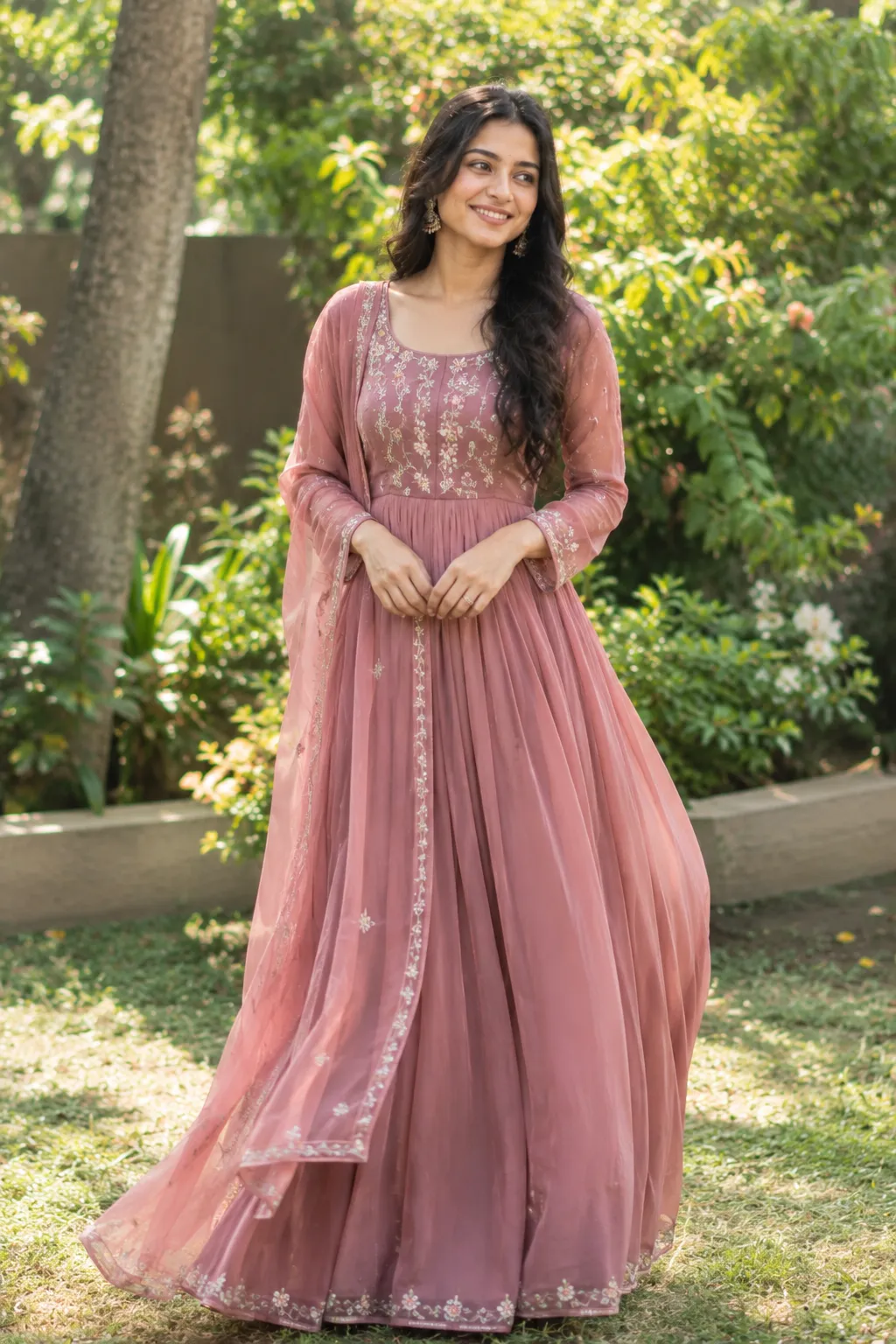
An ethnic maxi dress keeps a fitted bodice on top and lets the skirt fall straight to the ankle, made in soft fabrics like chiffon, crepe or cotton that move easily rather than holding structure the way a lehenga does.
It works best for daytime festive events and destination functions where comfort matters as much as looking dressed up. Our wedding guest outfit ideas by season guide covers when a maxi dress makes more sense than a heavier option.
14. Long Skirt (Ethnic Skirt Set)
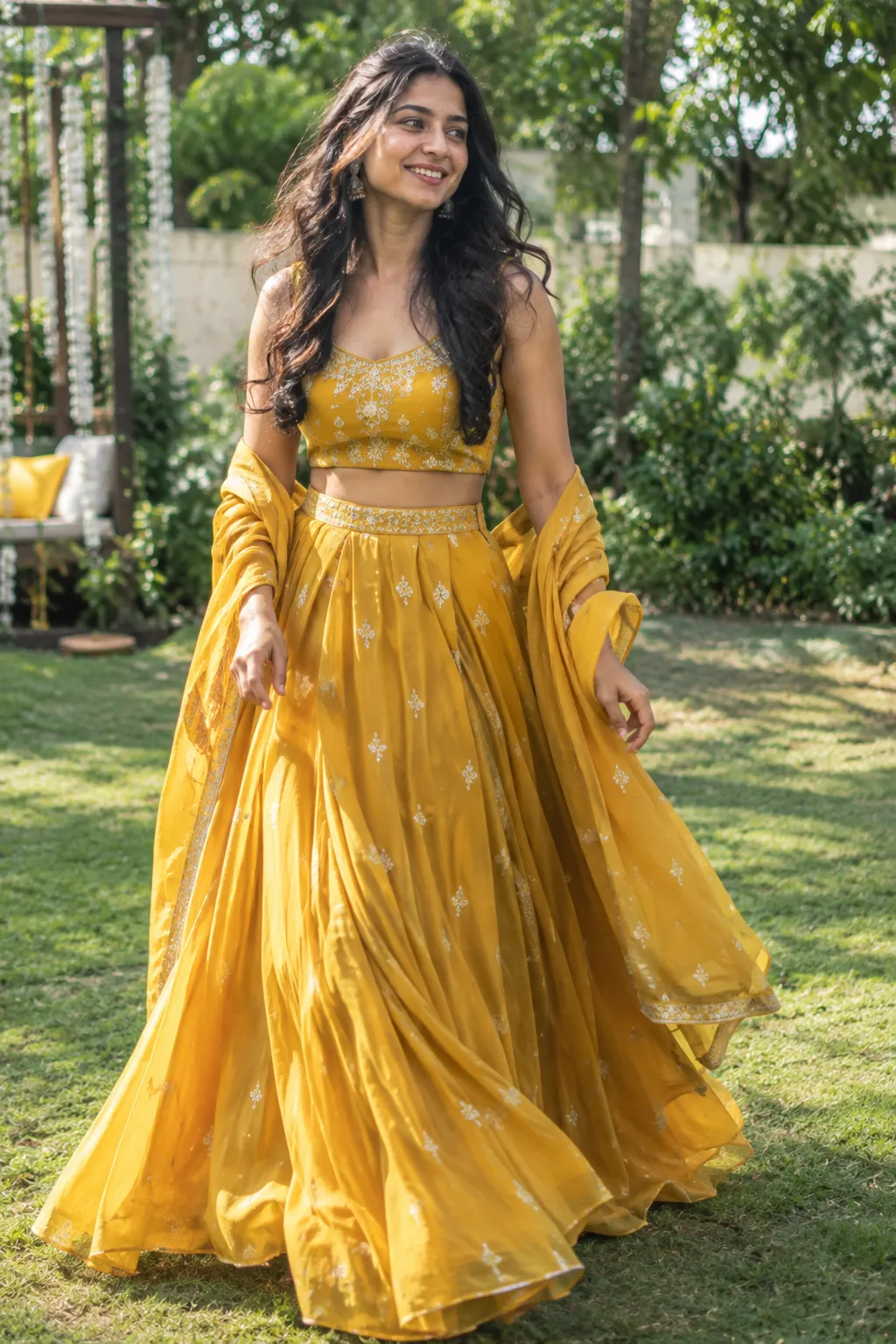
A long ethnic skirt pairs with a crop top, blouse or short kurta and works as a lighter, more casual alternative to a lehenga for daytime festive wear. It gives you the same flowing movement without the weight or the layers underneath.
It is genuinely one of the most comfortable options on this list for a full day outdoors, at a mehndi or a daytime haldi, since there is no fitted waistband digging in after a few hours of standing.
The Most Confusing Girls Dress Name Mix-Ups, Cleared Up
Most of the confusion around any girls dress name search comes down to five or six pairs that genuinely do look alike in photos. Salwar kameez and Punjabi suit are the same garment with two names, not two different outfits.
Sharara and gharara get mixed up constantly too. A sharara flares continuously from the waist, while a gharara is stitched at the knee, which is the entire visual difference once you know to look for it.
You do not actually need to know the correct name to wear something well. Fit and fabric matter far more than whether you called it the right thing while buying it.
Where to Go Deeper on Any of These
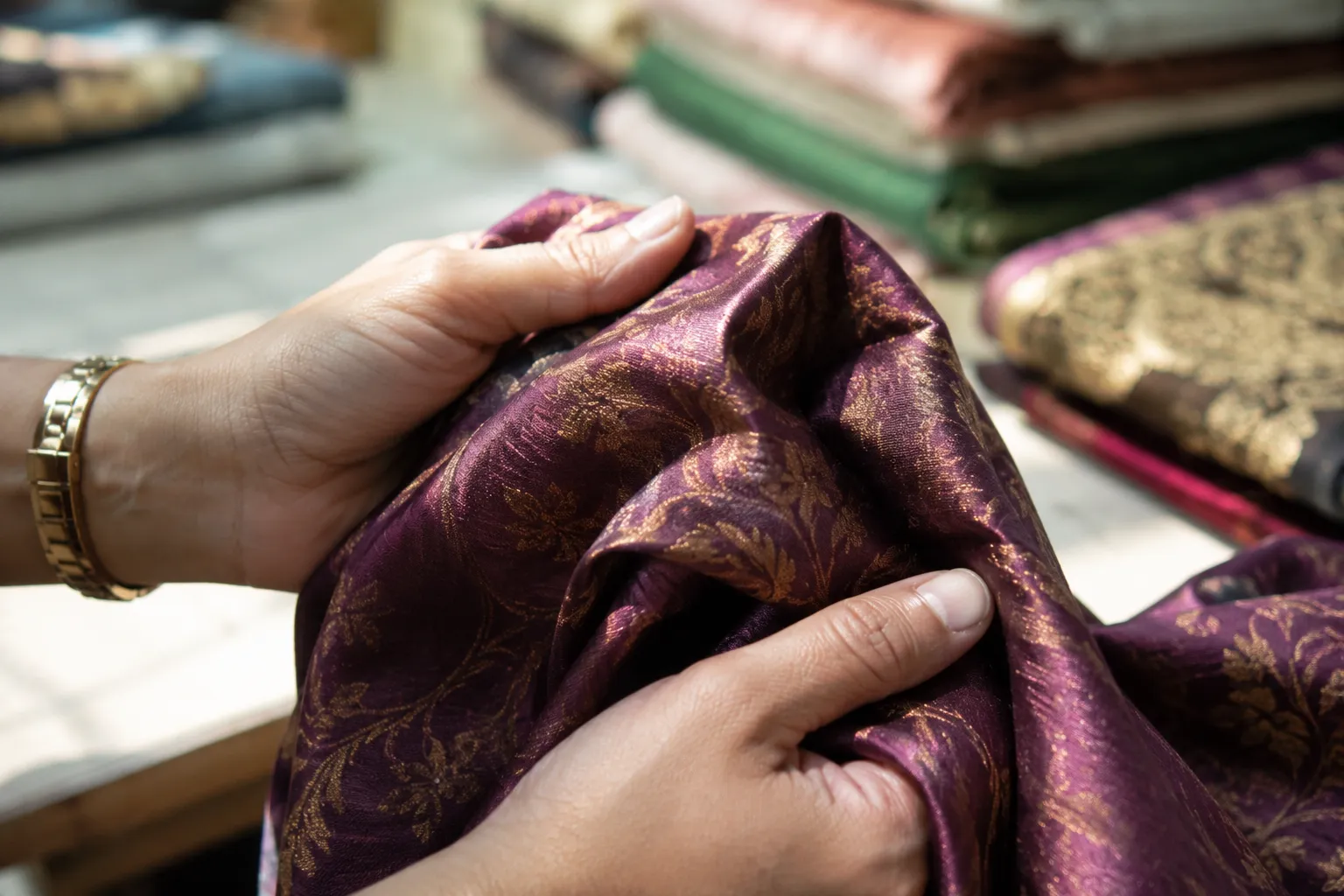
Once a photo has a name attached to it, the fabric is what decides whether it actually looks as good in person as it did in the picture. A ladies dress names list only gets you halfway there.
If you are comparing a pre-stitched saree against a traditional one before committing to either, our honest breakdown of pre-stitched saree versus traditional saree covers what you gain and what you quietly give up.
And before buying any georgette piece specifically, our faux georgette fabric guide covers how to tell the real thing from a cheaper stand-in.
Ethora manufactures its sarees, salwar kameez, kurtas and lehenga choli directly at its own unit in Surat, and sources everything else from Surat’s local textile market, so whichever of these fourteen names you were actually looking for, the fabric guidance behind it comes from people who handle it every day.
Conclusion
Knowing the right girls dress name for the picture in your head is the easy part once you have a proper list in front of you. What actually decides whether the outfit works for you is fabric, fit and the specific occasion you are buying it for.
The Ethora blog has a deeper, styling-focused guide for almost every name covered here, worth a look once you have shortlisted one or two. Our store is launching soon, built entirely on pieces made at our own Surat manufacturing unit and sourced directly from Surat’s textile market.
Frequently Asked Questions (FAQs)
Is there a complete ladies dress names list for Indian traditional wear?
Saree, lehenga choli, salwar kameez, Anarkali, kurti, kurta set, palazzo suit, sharara, gharara and Patiala suit cover most of it, with fusion options like Indian gowns, co-ord sets, maxi dresses and long skirts rounding out the rest. Regional wear like the Assamese mekhela chador is not always included in general lists but is just as traditional.
What is the actual difference between a kurti and a kurta?
A kurti is generally shorter and cut more fitted through the body, while a kurta tends to be longer and looser, closer to knee length or below. In practice the two words get used interchangeably across most of India, so the length and fit matter more than which word a seller uses.
How do I know if a dress fabric is good quality before buying it online?
Check the product description for actual fibre content rather than just the fabric name, since “georgette” and “faux georgette” behave very differently once worn. Ethora manufactures at its own Surat unit and sources everything else directly from Surat’s textile manufacturers, which is what lets us describe fabric honestly instead of just listing it.
What is a new traditional dress for girls that works for casual festive days, not just weddings?
Ethnic co-ord sets and kurta sets are the two most practical options for this. Both are quick to style, do not need a full ironing routine before stepping out, and work for anything from a college fest to a smaller family gathering.
Which traditional dress name is best for someone new to Indian ethnic wear?
A kurta set is the easiest starting point, since it needs no draping skill and comes as one coordinated outfit. A saree takes longer to get comfortable with, purely because the draping itself is a skill that improves with practice.
Now that you can put a name to almost anything in your wardrobe wishlist, the next question is where it actually comes from. Ethora makes its sarees, salwar kameez, kurtas and lehenga choli directly at its own manufacturing unit in Surat, and sources everything else straight from Surat’s local textile market, so genuine fabric knowledge sits behind every piece. Our store is launching soon, built entirely around that same sourcing philosophy.