
You are standing in a shop in Surat’s textile market, two outfits on hangers in front of you, and the shopkeeper has just used the words lehenga and chaniya choli in the same sentence like they mean different things. They flare the same way on the hanger. The colours could overlap. And yet somehow one costs three times the other, and you are supposed to know why before you hand over your card.
This is the confusion at the centre of the lehenga vs chaniya choli question, and most articles answer it by giving you an origin story and a fabric list and calling it a day. That is not going to help you when you are actually holding the outfit in a trial room, wondering if it will survive four hours of Garba or if it is going to feel like carrying a curtain by 11 pm.
So here is the honest version, from someone who has spent time around the looms and cutting tables in Surat where these outfits actually get made, including the three costly mistakes women make when choosing between them, mistakes that only show up once you are a few hours into actually wearing the outfit.
Table of Contents
Is a Chaniya Choli Just a Regional Lehenga?
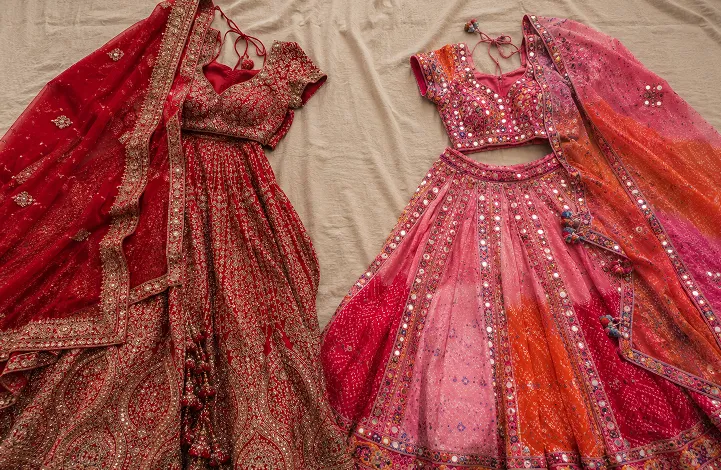
Let’s clear this up first because it changes how you should think about the rest of this article, and it is really the starting point of the whole lehenga vs chaniya choli debate. A chaniya choli is not a separate garment fighting for space against the lehenga. It is, technically, a regional category within the broader lehenga family, native to Gujarat, worn traditionally for Garba and Navratri. The word “chaniya” simply refers to the flared skirt, and “choli” to the fitted blouse, which is the same basic structure as a lehenga choli.
What actually separates them in practice is not the name. It is construction, fabric weight, and what the outfit is built to do. A lehenga is generally built for grandeur and stillness, think weddings, receptions, standing for photos. A chaniya choli is built for movement, specifically hours of spinning and stepping during Garba. Once you understand that the difference is functional and not just regional labelling, the rest of this comparison actually makes sense.
The Fabric and Construction Difference Nobody Explains Properly
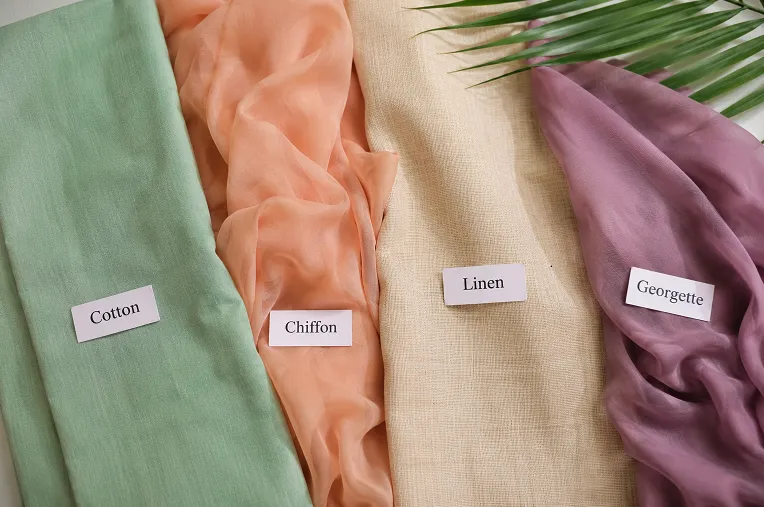
Most articles will tell you a chaniya choli uses cotton or georgette and a lehenga uses silk or velvet. True, but incomplete. The real reason a chaniya choli swirls beautifully during Garba while a similarly flared lehenga just sways is a construction detail called kali cutting.
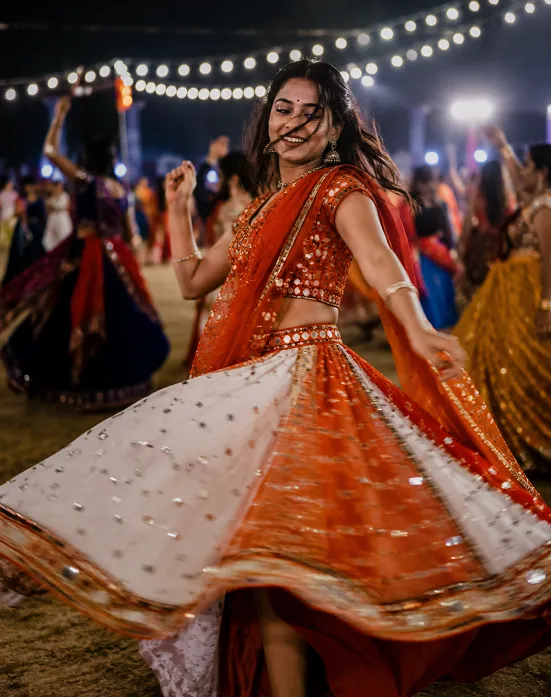
A chaniya choli’s skirt is stitched from multiple triangular panels, called kalis, cut and joined in a way that creates maximum flare from minimum fabric bulk at the waist. Combine that with lighter fabrics like georgette or cotton, and you get an outfit where the panels open up like a fan the moment you spin, without dragging on your hips.
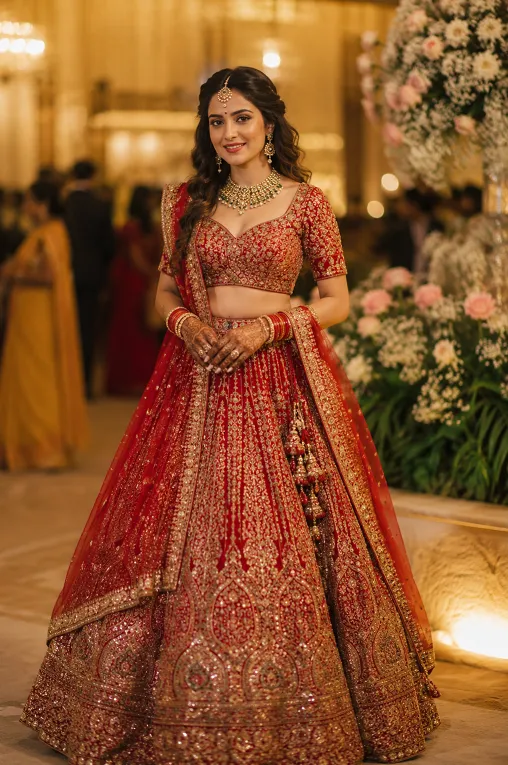
A lehenga, especially a bridal or heavier festive one, is cut with fewer, wider panels and denser fabric like silk or velvet, which gives it structure and a rich fall when you are standing still. But the same spin that makes a chaniya choli bloom will make a heavy lehenga move sluggishly, almost half a second behind your body.
Georgette has more body than chiffon, so it holds the pleat and flare better when you are actually walking or twirling, which is exactly why it shows up so often in chaniya cholis rather than in wedding lehengas where chiffon’s softness would collapse under embroidery weight. This is not a minor detail. It is the actual physics of why one outfit feels alive on the dance floor and the other feels like it is following you a beat late.
What Actually Happens After Three Hours of Garba
Nobody talks about this part honestly, so let’s.
A heavier structured lehenga, especially one with zari work, stone setting, or dense embroidery, starts working against you physically after the first hour or two of continuous dancing. The weight sits on your waist and hips, and by hour three, you will feel real fatigue in your lower back from just holding the flare up while moving.
And there is a genuine risk that repeated spinning loosens embellishment. Stone work and heavy zari are attached with adhesive and thread reinforcement, and constant motion puts stress on those attachment points. You have probably seen someone quietly picking up a stone from the dance floor near the end of the night. That is not bad luck. That is construction meeting physics.
A chaniya choli, being lighter and cut for flare rather than density, holds up considerably better through the same hours. The fabric moves with you instead of resisting you, so there is less strain transferred to your body, and lighter embellishment techniques like mirror work or bandhani printing are simply less prone to loosening than heavy stone setting.
This is not a case against lehengas. If you are wearing one for a wedding where you will mostly be standing, greeting guests, sitting for rituals, none of this matters. But if you are buying an outfit specifically for a full night of Garba, and someone recommends a heavy bridal-style lehenga because it “looks more festive,” that is the first mistake this article is warning you about. That advice only works in photographs, not on the dance floor. If you are still finalising your full look for the festival, our Navratri outfit ideas and Garba night guide covers everything from colour planning to jewellery for each night.
Why the Price Difference Is Not About the Occasion
Here’s the second mistake almost everyone makes about the lehenga vs chaniya choli price gap. People think lehengas cost more because they’re “wedding wear” and chaniya cholis cost less because they’re “festival wear,” as if price follows occasion. It doesn’t. Price follows labour.
Zardozi work, the metallic thread embroidery you see on bridal lehengas, involves hand embroidery with metal wire, sequins, and beads, often taking multiple artisans several days per piece depending on density. You can see the actual step by step zardozi embroidery process documented by IIT Bombay’s design school if you want to see why it takes this long. Stone setting is similarly labour heavy, each stone placed and secured individually. Compare that to mirror work or bandhani tie and dye, both traditional to chaniya cholis, which are faster techniques that, while skilled, simply do not demand the same hours per square inch of fabric.
So when a lehenga costs three or four times what a chaniya choli costs, you are not paying extra because it is a wedding outfit. You are paying for the actual labour and material that went into it. This is a genuinely useful thing to understand before you buy, because it means the price tag is telling you something real about durability and craftsmanship, not just marking up the occasion.
Lehenga vs Chaniya Choli: Choosing Based on Your Actual Plans
This is where most guides tell you to just “pick based on occasion,” which is true but lazy advice. Think about what you will actually be doing in the outfit for most of the evening.
- Full night of continuous Garba or Dandiya, especially multi-day Navratri events, calls for a chaniya choli. You need the kali flare and the lighter fabric to actually last through the dancing without exhausting you.
- Wedding reception or sangeet where you will mostly be seated, greeting people, or posing for photos calls for a lehenga. The structure and richness read better in photographs and you are not asking the fabric to survive hours of spinning. If you are still torn between a lehenga and a saree for the wedding itself, that is a separate decision worth thinking through on its own, and our guide on choosing a saree vs lehenga for a wedding walks through exactly that.
- Engagement functions or smaller family celebrations can go either way depending on how much movement is actually involved, and this is genuinely a personal call, not a rule.
- Humid coastal cities like Mumbai make lighter chaniya choli fabrics a more comfortable choice even for occasions where a lehenga would traditionally be worn, simply because heavier silk clings and traps heat differently in that weather.
If you are still unsure, ask yourself honestly how many hours you will actually be moving in the outfit. That answer settles it faster than any occasion chart.
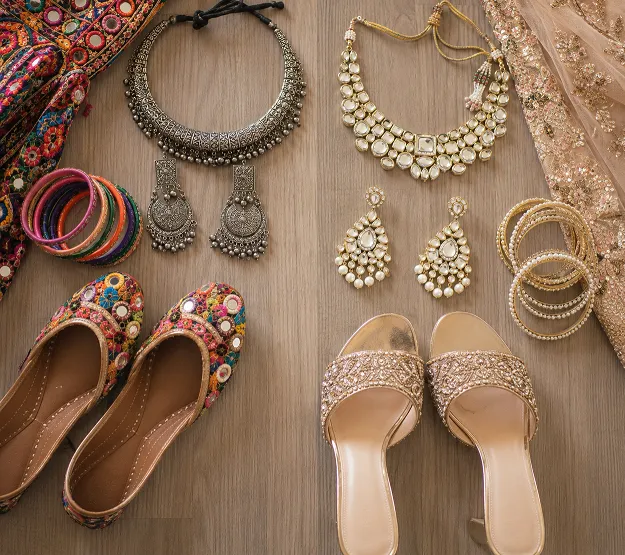
The accessories you pair with each outfit follow the same logic as the outfit itself. Chaniya choli styling traditionally leans on oxidised silver jewellery and colourful bangles that will not scratch or tarnish under sweat, paired with juttis or flat sandals you can actually dance in for hours.
Lehenga styling for weddings goes the opposite way, kundan or polki jewellery for a heavier, more formal look, and embellished heels that are built to be seen standing still rather than survive movement. And here’s the third mistake, one of the most common we see: wearing heels through a full night of Garba. It has nothing to do with the outfit, it is simply the wrong footwear for the amount of stepping and spinning involved.
What to Look For Before You Buy
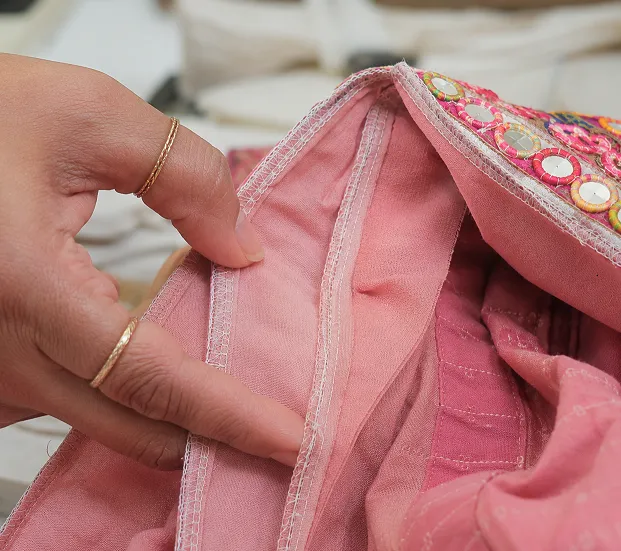
Before you buy either outfit, check how the skirt panels are joined. Run your hand along the inside seams. Well cut kali panels should lie flat and even, without bulk gathering unevenly at the waist, because that bulk is exactly what causes drag when you move. If you are buying specifically for Garba, gently test the flare by turning slightly in the trial room. It should open smoothly, not feel like it’s resisting your movement.
For embellishment, check how securely stones and zari threads are anchored, especially near the waistline and hem where movement stress concentrates first. A little gentle tugging at a few points, not aggressive, will tell you if the work is going to survive real dancing or just survive a photograph.
This is exactly the kind of detail that justifies the price difference between the two outfits, and it is worth checking regardless of what you are told at the counter. We manufacture our lehenga choli and salwar kameez range directly at our unit in Surat, and for everything outside that range we source from Surat’s own textile market, so this is advice that comes from actually handling these panels and embellishment techniques every day, not from a styling brochure.
The Real Takeaway
If there is one thing to carry out of this article, it is that the lehenga vs chaniya choli decision is not about which one looks more festive. It is about what you are actually going to do in the outfit for the hours you will wear it, and understanding the construction behind both helps you buy something that will genuinely hold up rather than just photograph well.
Explore more comparisons and buying guides like this one on the Ethora blog, we write them the way we would explain it to a friend standing in our own workshop. Our store is launching soon, and everything on it will come directly from our manufacturing unit in Surat or from Surat’s own textile manufacturers, so what you buy is exactly what we have described here.
FAQ
Is a chaniya choli cheaper than a lehenga?
Usually yes, mainly because chaniya cholis typically use lighter embellishment techniques like mirror work or bandhani, which take less labour time than the zardozi and stone setting commonly used on lehengas. The fabric is also generally lighter and less expensive per metre.
Can I wear a lehenga for Garba instead of a chaniya choli?
You can, but a heavier structured lehenga will feel noticeably more tiring over several hours of continuous dancing, and dense embellishment carries a real risk of loosening under repeated spinning. If you do wear one, choose a lighter, less embellished style rather than a full bridal-weight piece.
How do I know if a chaniya choli or lehenga fabric is good quality before buying?
Feel the fabric between your fingers, good georgette or silk will have a slight weight and consistency to it rather than feeling flimsy or overly stiff. Check the inside seams for even stitching and test the embellishment by gently tugging a few points to see if threads or stones shift. Ethora manufactures its lehenga choli range directly at its own Surat unit and sources everything else from Surat’s local manufacturers, so what you get is factory level quality without the usual middleman markup.
Does a chaniya choli need a dupatta like a lehenga does?
Yes, most chaniya choli sets are worn with a dupatta, often draped differently than a traditional lehenga dupatta, sometimes pinned at both shoulders to keep it in place during dancing. A lehenga dupatta is more often draped loosely for a formal, photograph friendly look since it does not need to survive constant movement.
Lehenga vs chaniya choli, what is the actual origin of each?
Chaniya choli originates specifically from Gujarat and is closely tied to Navratri and Garba traditions, while the lehenga as a broader garment has roots across North India and is worn for a wider range of festive and wedding occasions. In the lehenga vs chaniya choli debate, it helps to remember that chaniya choli is technically part of the wider lehenga family rather than a completely separate garment.
Choosing between a lehenga and a chaniya choli is really about choosing how you plan to move through the evening. Our lehenga choli range is manufactured directly at our own unit in Surat, and for pieces outside our manufacturing range, we source directly from Surat’s local textile manufacturers, so you get real construction quality without the middleman markup. Our store launches soon, and we would love to have you shop with us from day one.
Pingback: Chaniya Choli Styling For Garba: 5 Real Mistakes To Avoid | Ethora