Open any almirah that has been in a Gujarati or Bengali household for fifteen years and you will find at least one silk saree with a fold line so deep it has turned into a permanent crease, sometimes even a tear. Nobody did anything dramatic to that saree. It just sat there, folded the same way, for one occasion too many. That is the quiet tragedy of silk. It does not announce damage. It accumulates it.
This is why how to store silk sarees properly matters more than people think, especially with sarees that cost real money or carry real sentiment. A Banarasi from your wedding, a Kanjeevaram passed down from your mother, these deserve better than a plastic bag shoved into the back of a cupboard. Below is what actually works, based on how these fabrics are handled in production, not just what looks tidy on a shelf.
Table of Contents
Why Silk Sarees Fail Faster Than You Expect
Silk is a protein fibre, not a synthetic one. That single fact explains almost every storage mistake people make. Cotton can survive a lot of carelessness. Silk cannot. It reacts to humidity, light, and even the chemicals in cheap plastic.
Most women fold a silk saree the exact same way every single time and place it in the exact same spot in the cupboard. Over months, the fold becomes a stress line in the fibre itself, not just a crease you can iron out. This is the real mistake. The fabric weakens along that one line until it eventually splits, usually right when you pull it out for an important function and have no time to fix it.
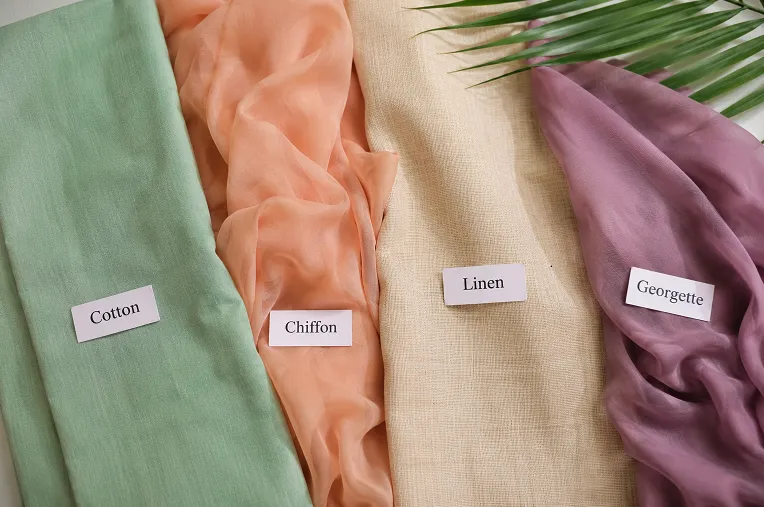
Before you settle into a storage routine, it also helps to know exactly what you own. Our guide to the different types of sarees in India breaks down how silk varieties differ from each other, which affects how each one should be folded and stored.
The Humidity Problem Specific to India
If you live anywhere near Mumbai, Surat, or the Konkan coast, your cupboard is fighting humidity every single day of the monsoon. Silk absorbs moisture from the air, and trapped moisture inside a folded saree is exactly what invites mildew and that musty smell that never fully goes away.
This same sensitivity shows up much earlier than storage, actually. On the loom itself, a slightly damp warp thread behaves completely differently from a dry one, it loses tension and the weave can come out looser than intended. This is one reason weaving units track humidity closely long before the saree ever reaches a wardrobe.
In Delhi or Rajasthan, the issue flips. Dry heat makes silk brittle over time if it is stored too close to a wall that gets direct sun through a window. If summer heat and sweat are more of a concern for you day to day than monsoon storage, our piece on the best saree fabric for summer covers which fabrics actually hold up in Indian heat.
The Right Way to Fold a Silk Saree
This is the part everyone skips, and it is the part that actually prevents long term damage.
- Refold along a different line every time you store it. Even shifting the fold by two or three inches each time spreads the stress across the fabric instead of concentrating it in one spot.
- Roll heavier silks like Banarasi or Kanjeevaram instead of folding flat whenever you have the cupboard space for it. Rolling avoids sharp creases entirely, though it does take more shelf room than most almirahs have.
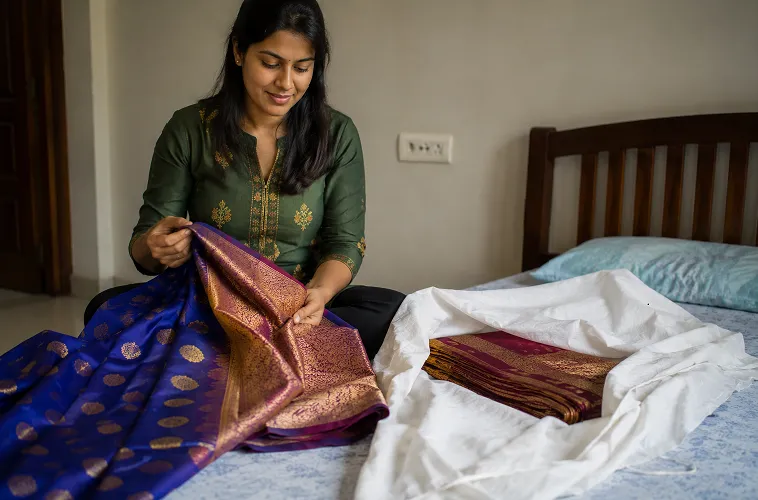
- Wrap the saree in a clean, plain cotton or muslin cloth before placing it anywhere. Avoid coloured cloth since dye can transfer onto silk over time, especially if there is any humidity in the air.
- Never store silk directly in plastic. Plastic traps moisture against the fabric and can also react with the zari work, causing it to darken or tarnish faster than it would otherwise. Silk is a protein-based natural fibre, which is part of why it reacts so differently to moisture and synthetic materials compared to cotton or polyester.
Where You Keep It Matters as Much as How You Fold It
A saree stored in the wrong spot will deteriorate no matter how carefully you folded it. Keep silk sarees in a cool, dark part of the cupboard, away from direct sunlight and away from the cupboard wall if that wall gets warm from outside heat.
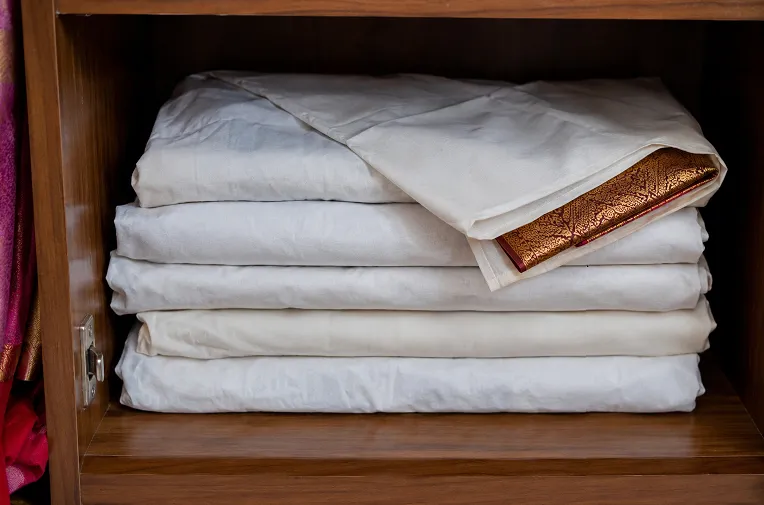
Heavier silks like Banarasi are noticeably heavier than people expect, and when one is stored on top of a stack of lighter sarees for months, the weight alone can crush the zari underneath. Store your heaviest silks at the bottom of the pile or on a separate shelf entirely.
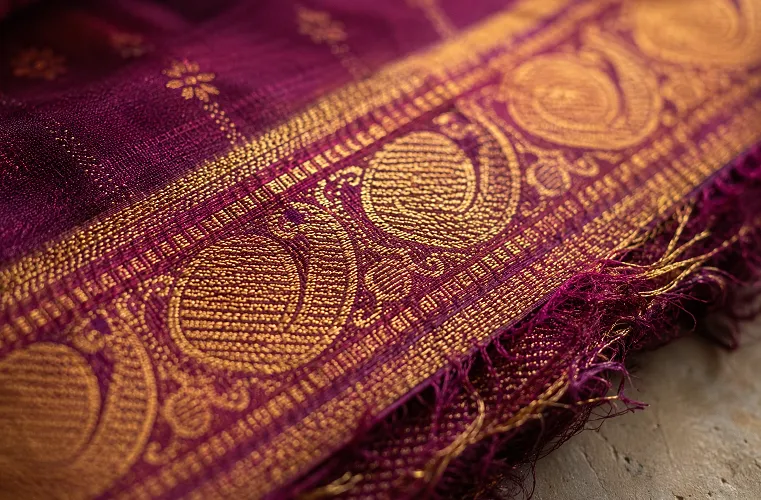
Not all heavy silks behave the same way under that weight either. A rapier-woven silk tends to hold a crisper, more even fold than a handloom piece, simply because the thread tension is more consistent across the width of the fabric during weaving. Handloom Banarasi, on the other hand, can have slight tension variations from one end of the saree to the other, which is part of what gives it that subtle, almost handmade texture, but it also means it can develop uneven stress lines faster if it is folded the same way repeatedly. If you own both types, treat the handloom piece a little more carefully when it comes to refolding it along different lines each time.
But it also means handloom pieces can develop uneven stress lines faster if folded the same way repeatedly. If you own both types, treat the handloom piece a little more carefully when it comes to refolding it along different lines each time.
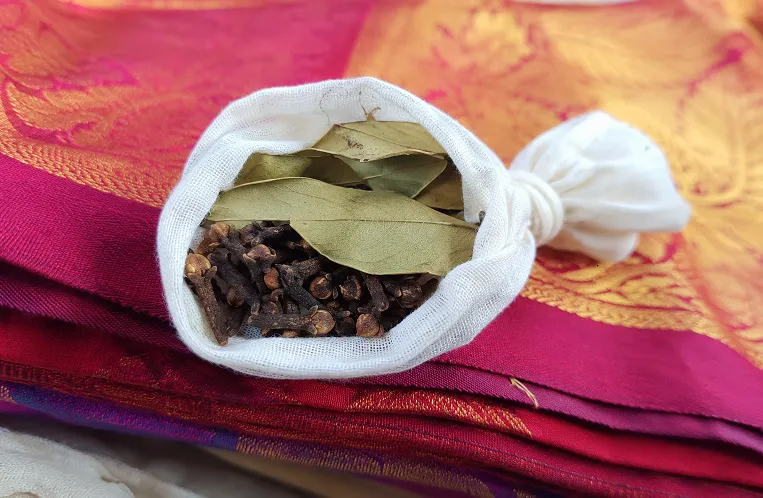
And here is something most blogs will not tell you. Neem leaves or a small cloth pouch of cloves work better than naphthalene balls for silk specifically, because naphthalene leaves a strong chemical smell that silk fibres seem to absorb and hold onto far longer than cotton does. You will be airing out that saree for weeks before the smell fully leaves.
An Unpopular Take on Wearing Before Storing
Everyone tells you to dry clean a silk saree after every single wear before putting it away. Honestly, that is overkill for a saree you wore for three hours at a function and barely sweated in. Frequent dry cleaning uses chemical solvents that slowly strip the natural sheen silk is known for, and over years this dulls the fabric more than the wear itself ever would.
What actually helps is simply airing the saree out in shade, not direct sun, for a few hours before refolding it. Reserve actual dry cleaning for sarees worn at long events, sangeet nights, or anything where you were dancing, sweating, or near food. Trust your judgment here instead of a blanket rule.
A Quick Seasonal Habit Worth Building
Once every two to three months, take your silk sarees out, unfold them, and let them breathe for an hour before refolding along a new line. This single habit, more than any storage product you buy, is what actually keeps silk sarees in shape for decades. It also gives you a chance to catch any early mildew smell or zari discoloration before it spreads to the rest of your collection.
This is also a good moment to check the pallu specifically. Pallu fabric often gets handled the most during draping, so it tends to show the first signs of fraying or thread pulls, especially on chiffon and georgette pallus that are lighter and catch on jewellery more easily than heavier silk borders do.
Quick Recap: All 7 Tips in One Place
If you skimmed through and just want the checklist, here it is.
- Refold along a different line every time instead of repeating the same crease, so stress spreads across the fabric instead of weakening one spot.
- Roll heavier silks like Banarasi or Kanjeevaram when you have the shelf space, since rolling avoids sharp creases entirely.
- Wrap every silk saree in plain cotton or muslin cloth, never coloured cloth and never plastic, since plastic traps moisture against the fabric.
- Store your heaviest silks at the bottom of the stack or on a separate shelf, away from direct sunlight and warm cupboard walls.
- Use neem leaves or a cloth pouch of cloves instead of naphthalene balls, since silk holds onto that chemical smell far longer than cotton does.
- Air sarees out in shade rather than dry cleaning after every wear, and save actual dry cleaning for sweat, food, or long event days.
- Unfold and re-air every silk saree once every two to three months, refolding along a new line each time to catch early damage before it spreads.
One Habit That Protects Everything Else
If you take away nothing else from this, take this: stop folding your silk sarees the same way every time, and get them out of plastic immediately if they are currently stored that way. Once you know how to store silk sarees properly, everything else, the cloth wrapping, the neem leaves, the airing out, builds on top of that one fix. Your sarees are not just fabric sitting in a cupboard. They are pieces that should still look this good when you pull them out for your daughter’s wedding one day. If you found this useful, there is more on saree care and fabric handling across the Ethora blog worth reading next.
FAQ
Can I store silk sarees in vacuum-sealed bags?
No, avoid this completely. Vacuum sealing crushes the natural texture and zari work flat, and the lack of airflow actually encourages moisture buildup inside the bag over time rather than preventing it.
How often should silk sarees be dry cleaned?
Only after heavy wear involving sweat, food, or long events, not after every single use. Light airing in shade is usually enough for short, casual wears, since over-cleaning gradually dulls silk’s natural sheen.
Is it okay to hang silk sarees instead of folding them?
Hanging works for lighter silks like a tussar or a soft Mysore silk, but heavier silks such as Banarasi will stretch and lose shape under their own weight if hung for long periods. Fold or roll heavier silks instead.
What causes yellow stains on stored silk sarees?
This usually comes from a mix of trapped humidity and prolonged contact with certain plastics or low quality paper. Switching to cotton or muslin wrapping and ensuring the storage area stays dry largely prevents this.
Should I store silk sarees with silica gel packets?
Yes, a few silica gel packets placed near, not directly touching, the fabric can help manage humidity in genuinely damp climates like coastal Gujarat or Mumbai during monsoon. Just check and replace them every few months since they lose effectiveness once saturated.